

TOLDOT, EPISODE 1
Why Isaac Never Took a Second Wife
Grace in relationships
PARSHA 6 OF 54 | GENESIS
Genesis 25:19 to 28:9
After twenty years of waiting, Isaac and Rebecca have twins, Esau and Jacob. Esau sells his birthright for a bowl of stew, and Isaac digs wells and makes peace with the king who sent him away. Jacob receives his father's blessing and leaves home for Haran.
TOLDOT, EPISODE 1
Grace in relationships

TOLDOT, EPISODE 2
Choices and integrity

TOLDOT, EPISODE 3
Grace in relationships
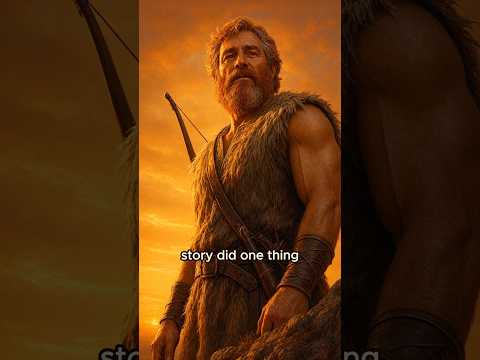
TOLDOT, EPISODE 4
Honoring family
DEEP DIVE | TOLDOT
Isaac and Rebecca prayed for a child for twenty years. The Torah tells us how long they waited, and the classic teachers tell us how they prayed. Here is their story, and what it teaches about waiting.
5 min read
Every teaching above comes from these texts. The Torah comes first, then the teachers who explain it. Each link opens the text in Hebrew and English on Sefaria, a free online library. How we choose and label sources.
Isaac is forty when he marries Rebecca (25:20), prays opposite his wife (25:21), and is sixty when the twins are born (25:26).
After ten years in Canaan, Sarah gave Abraham Hagar as a wife.
Esau the hunter comes in famished, asks for the red stew, sells his birthright to Jacob, eats, drinks, and walks away.
Abraham is 100 when Isaac is born (used to work out that the twins were fifteen).
Abraham lives to 175.
Isaac reaps a hundredfold, the Philistines envy him and fill his father's wells with earth, the king sends him away, the herdsmen of Gerar fight over his wells, and the king comes asking for a pact. Isaac makes them a feast and they leave in peace.
There was a famine in the land.
The promise of peace between Avimelech and Abraham.
Blind Isaac sends Esau to hunt. Rebecca dresses Jacob in Esau's best clothes, which were with her in the house, and Isaac blesses him. Esau returns and cries, "Bless me too, my father!"
Sarah (then called Sarai) could not have children.
God promises Abraham that his family will become a great nation.
Isaac loved Rebecca (from the parsha before, Chayei Sarah).
Isaac was forty years old when he married Rebecca.
Isaac prays "opposite his wife" because she could not have children, and God answers.
The twins struggle inside Rebecca. She asks why, and goes to ask God.
The first twin is born red and hairy, and named Esau.
Jacob is born holding Esau's heel. Isaac was sixty years old when the twins were born.
Rachel could not have children (later, in parsha Vayetzei).
Isaac knew the problem was his too, so he had no reason to marry another woman. Rabbi Yitzchak: they were both unable to have children.
On the day Abraham died, Jacob cooked a lentil stew to comfort his father Isaac.
Rabbi Elazar teaches the same pitchfork lesson, from the word for Isaac's prayer in Genesis 25:21.
Isaac prayed that all his children come from this righteous woman, and Rebecca prayed the same about him.
Rashi's source: "the land was harsh and the year was difficult," and still it gave a hundredfold.
On the word "only" in "we have only done good to you": they did not do him complete good.
Esau wore those clothes to serve his father. Rabban Shimon ben Gamliel: I served my father in soiled clothes and went out in clean ones; Esau served his father only in royal garments.
The same teaching of Rabban Shimon ben Gamliel about Esau's honor for his father.
Rebecca's question, "If so, why am I here?", means: if the pain is this great, why did I long and pray to be pregnant? Also the source of the teaching that the twins struggled when she passed places of learning and places of idol worship.
Isaac stood in one corner and prayed, and Rebecca stood in the other corner and prayed.
Jacob was cooking the mourners' first meal. Lentils are round like a wheel, because mourning comes around to everyone.
The birthright meant a double share of the father's property.
It was a year of famine.
They had broken their covenant with Abraham and sent Isaac away, and feared Isaac's children would one day drive their children from the land.
Asks why Esau, who had wives, kept his best clothes at his mother's house.
Explains Rebecca's question: if the pain of pregnancy is this great, why did I long and pray to be pregnant? Also tells how the babies moved when she passed places of learning and places of idol worship (from Bereshit Rabbah 63:6).
THE WEEKLY LETTER
The new episode, the article that goes deeper, and the sources behind it. Free, and you can leave any time.